
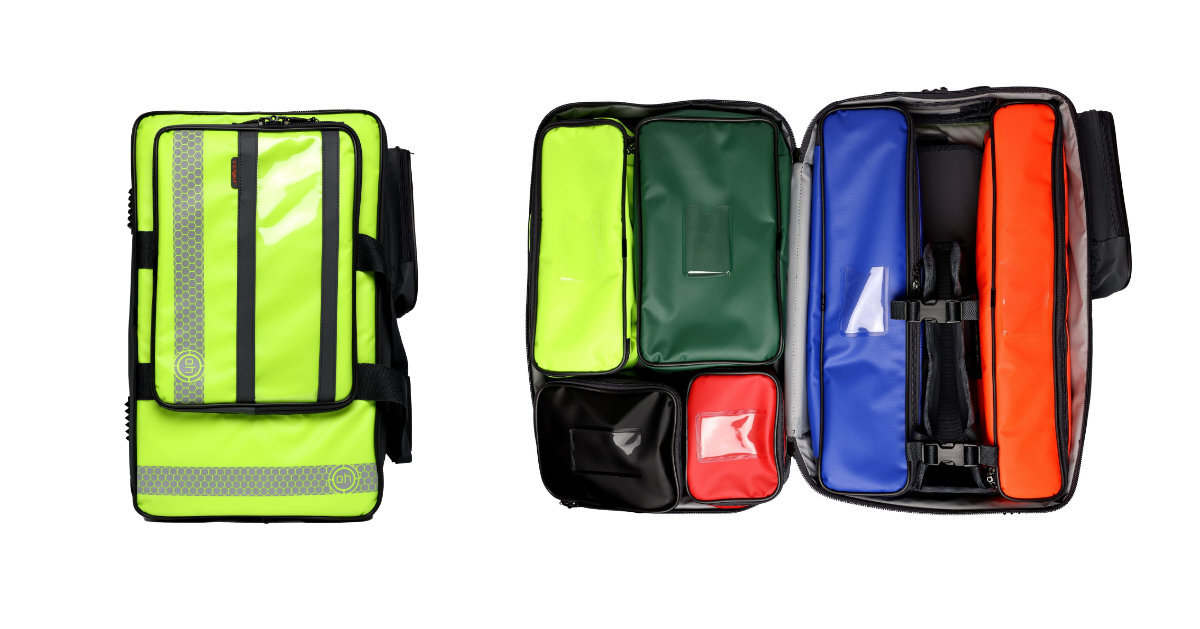
The reliability problem in 000 settings
000 equipment sits in storage, gets transported across shifts and stations, and is expected to function under significant time pressure when it finally gets deployed. That gap between storage and use is where equipment reliability becomes a patient safety issue, not just a procurement consideration.
A device that does not deploy correctly, shifts during transport, or fails under load creates risk at precisely the moment when risk is already highest. Unlike clinical consumables, emergency equipment does not get routine use that surfaces faults early. Problems often only emerge during an actual emergency.
In pre-hospital care, reliability is mandatory. A device that fails during patient extrication or transport does not get a second chance.
For procurement teams and emergency services managers, three questions cut to the core of what matters: will it work when deployed in the conditions it was designed for? Is there evidence it has worked consistently over time? And what does the supplier's history say about returns and field failures?
What procurement teams should evaluate
Build and materials
Equipment used in confined spaces, across terrain, and under physical load needs to hold its structural integrity. Weight-rated, tested to applicable standards, and designed for real environments rather than clinical corridors.
Mechanical function under stress
Closures, locking systems, and load-bearing components need to function reliably when deployed quickly and under variable conditions. Mechanisms that shift during transport create risk at precisely the moment when patient stability is most critical.
Track record
In a category with limited opportunity to trial products under real conditions, supplier history and return rates matter. A device with a long, verified field record is a meaningful procurement signal. Where a product carries an ARTG listing, this confirms it has met Australian regulatory standards as a medical device.
ARTG listings for medical devices
The Australian Register of Therapeutic Goods (ARTG) is the public database of therapeutic goods that can be legally supplied in Australia. For pre-hospital devices classified as medical devices, an ARTG entry confirms TGA regulatory compliance. Search the ARTG at tga.gov.au.
CombiCarrier II: a case study in procurement confidence
Featured Product
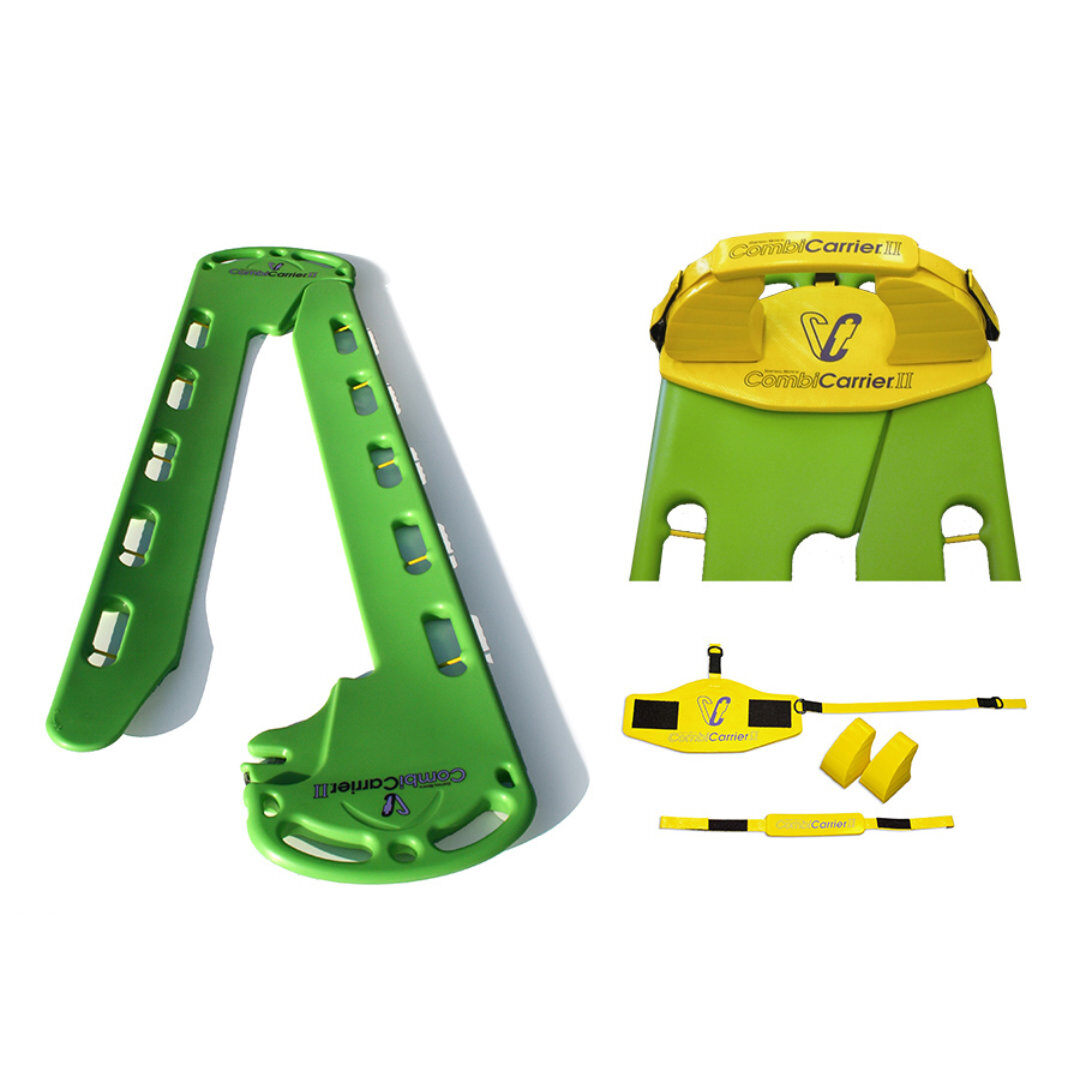
CombiCarrier II
ARTG 203884In stock & available for quotation
The CombiCarrier II has a long field track record. Hartwell Medical's own product material notes many original units still in service after 18 years, and Midmed has recorded zero product returns. It is a scoop stretcher and backboard used for extrication, listed on the Australian Register of Therapeutic Goods (ARTG 203884) as a portable stretcher, Class 1 medical device.
View product at Midmed →| Specification | Detail |
|---|---|
| Load rating | 205 kg |
| Patient securement | 4 restraint straps included |
| Storage profile | Low-profile — fits standard ambulance storage compartments |
| Imaging compatibility | X-ray compatible and CT compatible |
| Construction | High-density polyethylene, seamless |
| ARTG | 203884 — Stretcher, portable, Class 1 (Midmed Pty Ltd) |
For emergency services and hospital procurement teams assessing spinal and extrication equipment, a verified field record and ARTG listing remove layers of clinical uncertainty from the decision. The CombiCarrier II is in stock at Midmed and available for quotation.
Openhouse Products: mission-critical storage
Equipment reliability extends beyond devices. For 000 teams, storage and deployment bags are part of the operational system. They need to protect equipment during transport, organise content for rapid access under pressure, and hold up across the working life of the gear they carry.
Openhouse Products is UK-based, established in 1992. Its bags are made to ISO standards and backed by UKAS accreditation. Midmed is the exclusive Australian distributor and partner for Openhouse Products.
ARTG — not required for storage products
Openhouse bags are storage and logistics products, not therapeutic goods. They are not required to carry an ARTG listing. Their quality credentials are ISO manufacturing standards and UKAS accreditation.
Incident Command Backpack
Pre-Hospital & Rescue
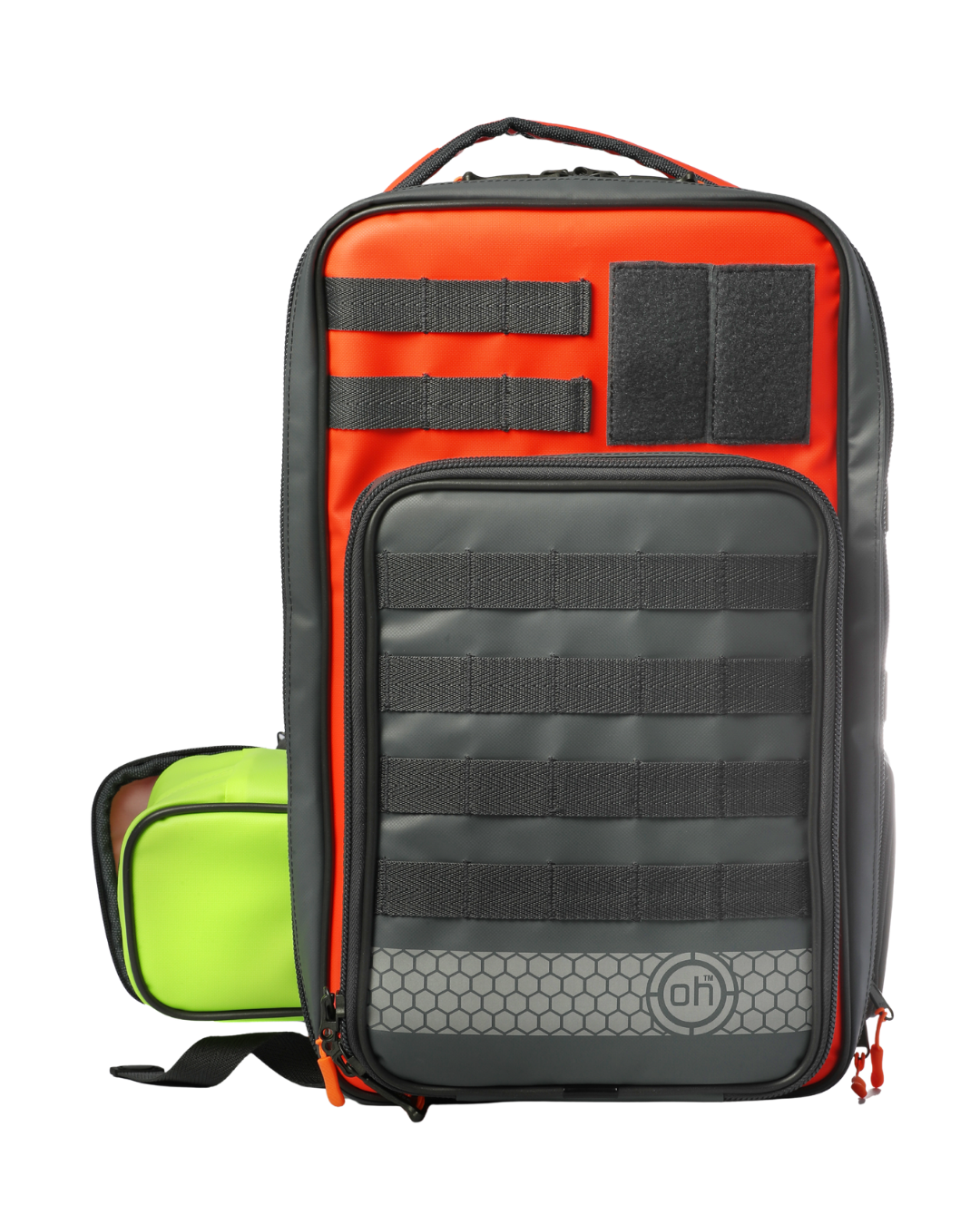
Incident Command Backpack
In stock & available for quotationmicrAgard construction with four internal pouches, including a flo yellow drugs pouch accessible via side flap without opening the main bag. Lockable T-zips, water-repellent coating, VELCRO personalisation. Available in Black, Blue, Orange, or Red.
| SKU | Colour |
|---|---|
| OH.20-00899-BLA | Black |
| OH.20-00899-BLU | Blue |
| OH.20-00899-ORA | Orange |
| OH.20-00899-RED | Red |
Tactical Rx SCRAM™ Bag
Clinical & Retrieval
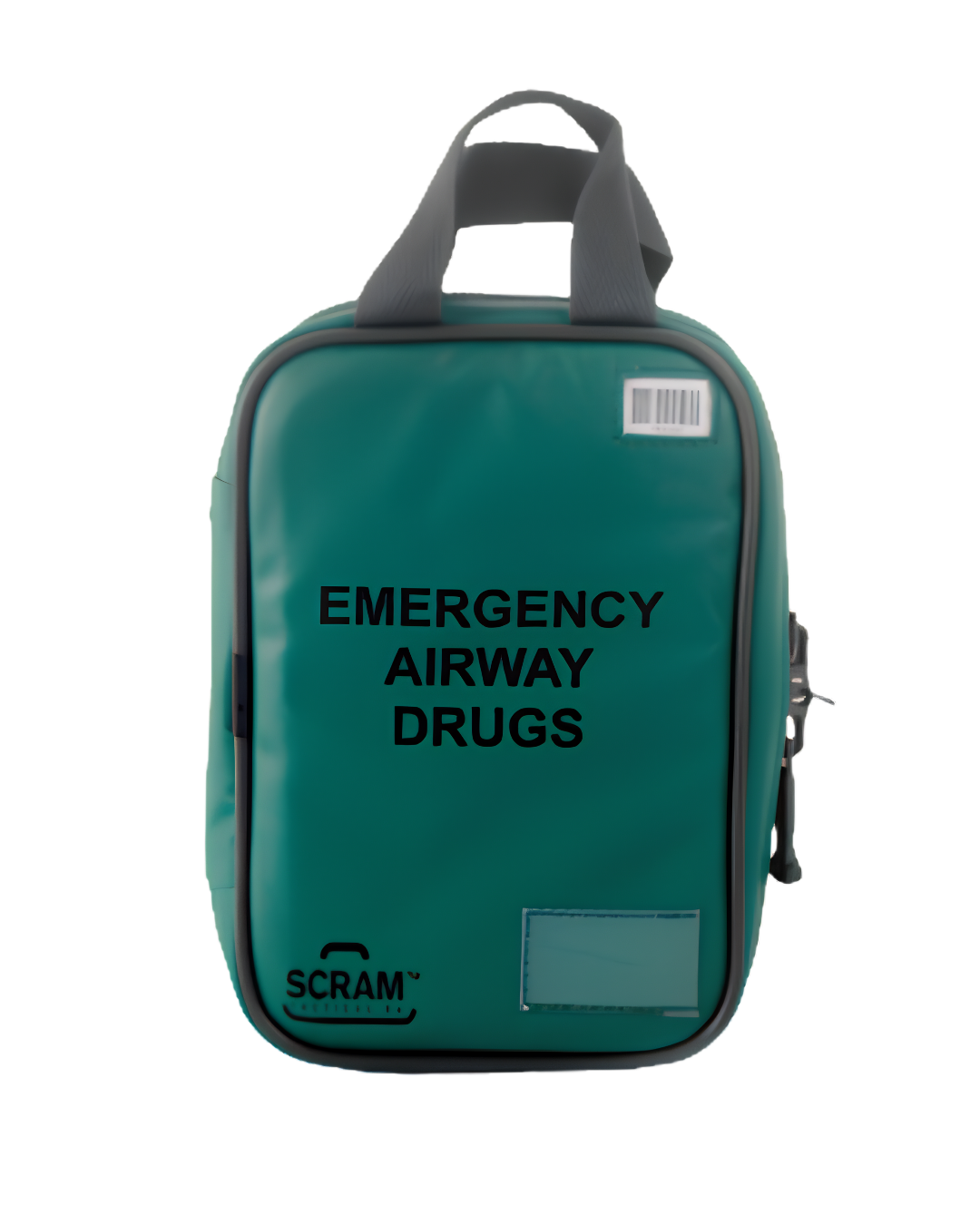
Tactical Rx SCRAM™ Bag
In stock & available for quotationEmergency airway drug bag designed to standardise anaesthesia and prevent drug error under pressure. micrAgard material, Fidlock magnetic system, YKK lockable zips, RFID/NFC pocket, high-contrast colours to reduce cognitive load. Glove-friendly. Co-invented by HEMS Paramedic Paul Swinton.
SKU: 20-00941
View product at Openhouse →Rescue Kit Modules
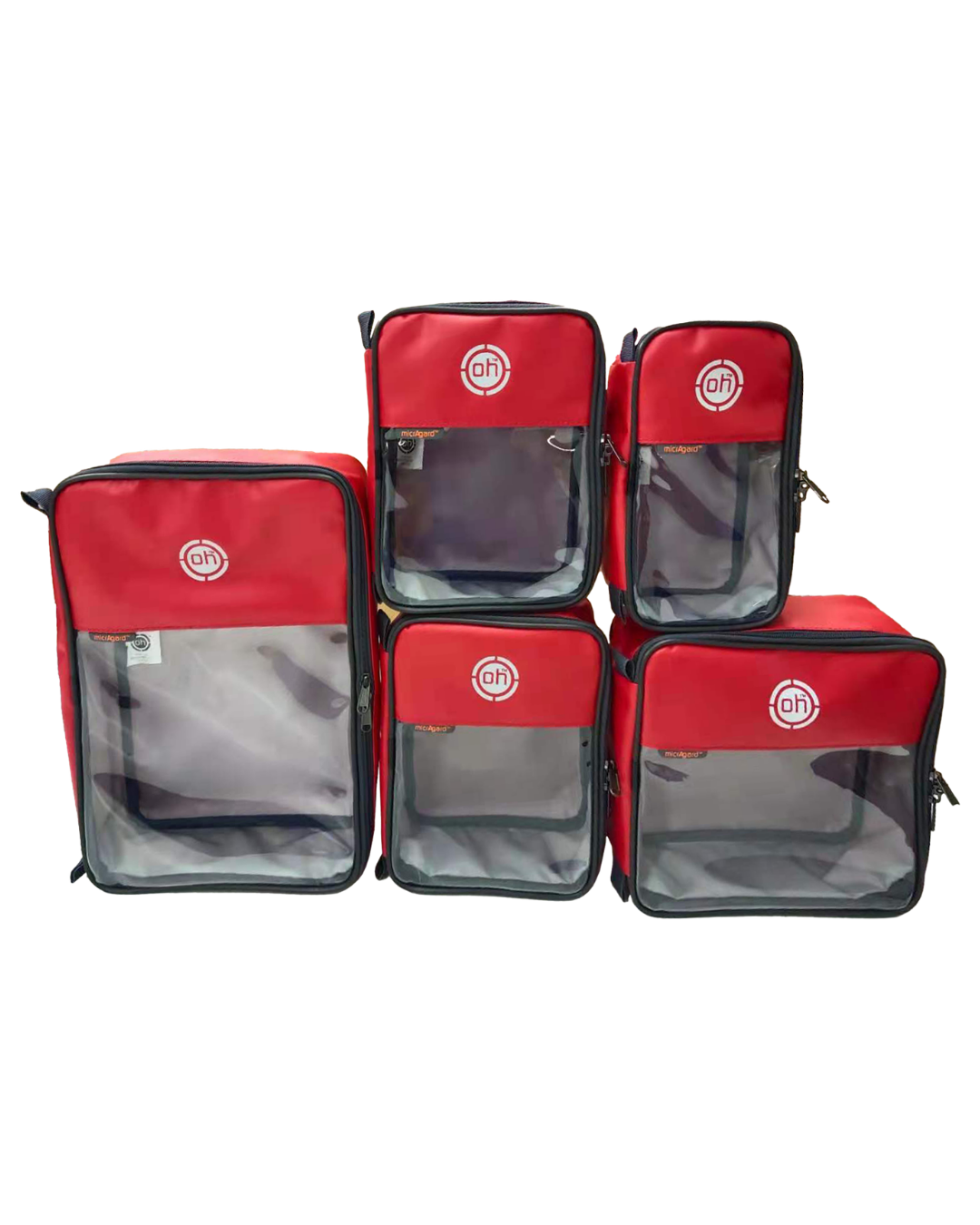
Pre-Hospital & Rescue
Rescue Kit Modules
In stock & available for quotationSet of 5 stackable storage modules designed for KAON storage racks. Clear lids for instant content identification, individual grab handles for fast removal in confined spaces. Available in Black or Red.
SKU: 20-01035
View product at Openhouse →Frequently asked questions
What does an ARTG listing mean for a pre-hospital device?
An ARTG listing means the device has been assessed by the TGA and meets the requirements to be legally supplied in Australia as a medical device. The CombiCarrier II is listed on the ARTG (entry 203884) as a portable stretcher, Class 1 medical device, sponsored by Midmed Pty Ltd.
Do Openhouse bags require an ARTG listing?
No. Openhouse bags are storage and logistics products, not therapeutic devices. Their quality credentials are ISO manufacturing standards and UKAS accreditation through Openhouse Products (UK), established 1992.
How do I request a quote for these products?
Contact Midmed directly on 1300 643 633 or via midmed.com.au/contact. Mon–Fri 8:00am–4:30pm AEST. A sales consultant will assist with availability and any product questions.
Can Openhouse bags be customised for our organisation?
Yes. Openhouse Products offers a made-to-order service including custom colours, configurations, and branding. Speak with your Midmed sales consultant, or view the made-to-order range at openhouseproducts.com.au.
Speak with a sales consultant about the CombiCarrier II, Openhouse Products range, or any other pre-hospital products. In stock and available for quotation.